The US Army Corps of Engineers, Jacksonville District contracted ANAMAR to conduct an MPRSA Section 103 Tier III sediment evaluation of maintenance dredged material from the Jacksonville Harbor Federal Navigation Channel (FNC) and several JAXPORT marine terminals.


Project Statute
- Dredged Material Evaluation for Ocean Disposal under MPRSA Section 103
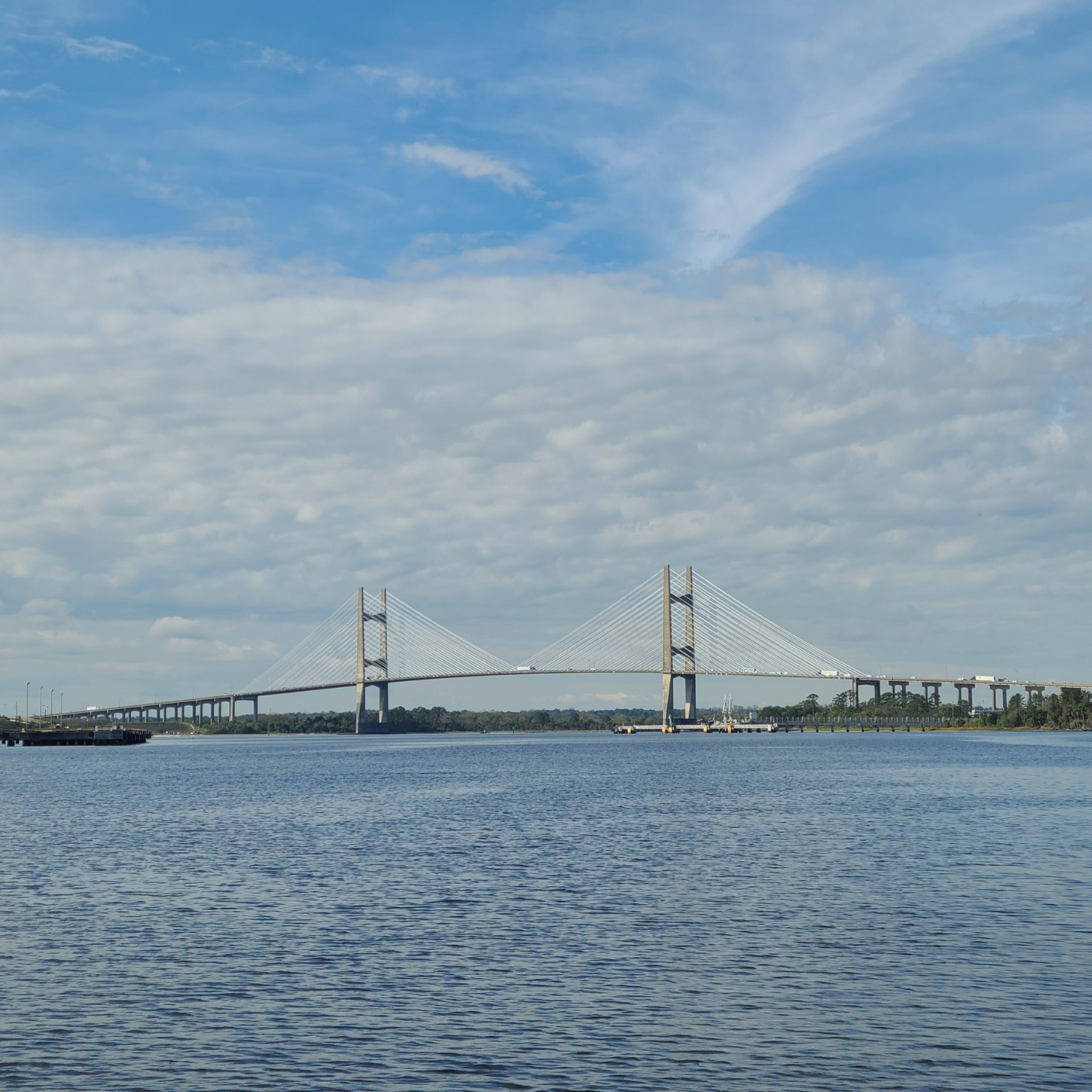
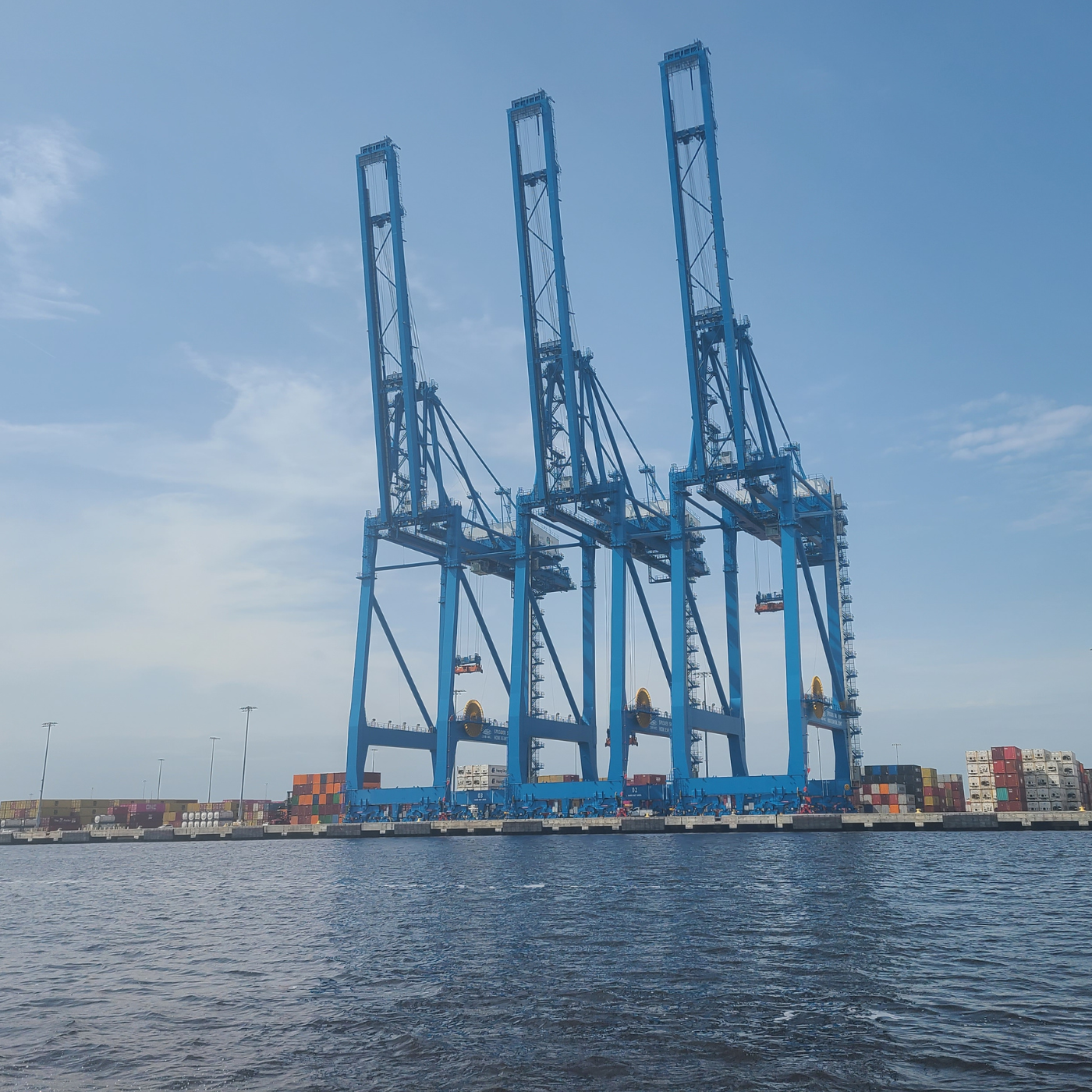
The Marine Protection Research and Sanctuaries Act (MPRSA) Section 103 sediment evaluation is for maintenance dredge material from portions of the Jacksonville Harbor FNC and several Jacksonville Port Authority (JAXPORT) marine terminal berths. Jacksonville Harbor FNC consists of 20 river miles starting at the mouth of the St. Johns River where it empties into the Atlantic Ocean. The Jacksonville Harbor FNC provides access to deep draft vessel traffic using terminal facilities and berths located along the St. Johns River. The concentration of port facilities is primarily between river miles 8 and 20 along the FNC. Cargo types include roll-on roll-off autos, breakbulk, dry bulk/liquid bulk, liquified natural gas, and military cargo at U.S. Marine Corps Terminal Blount Island and the Mayport Naval Station.
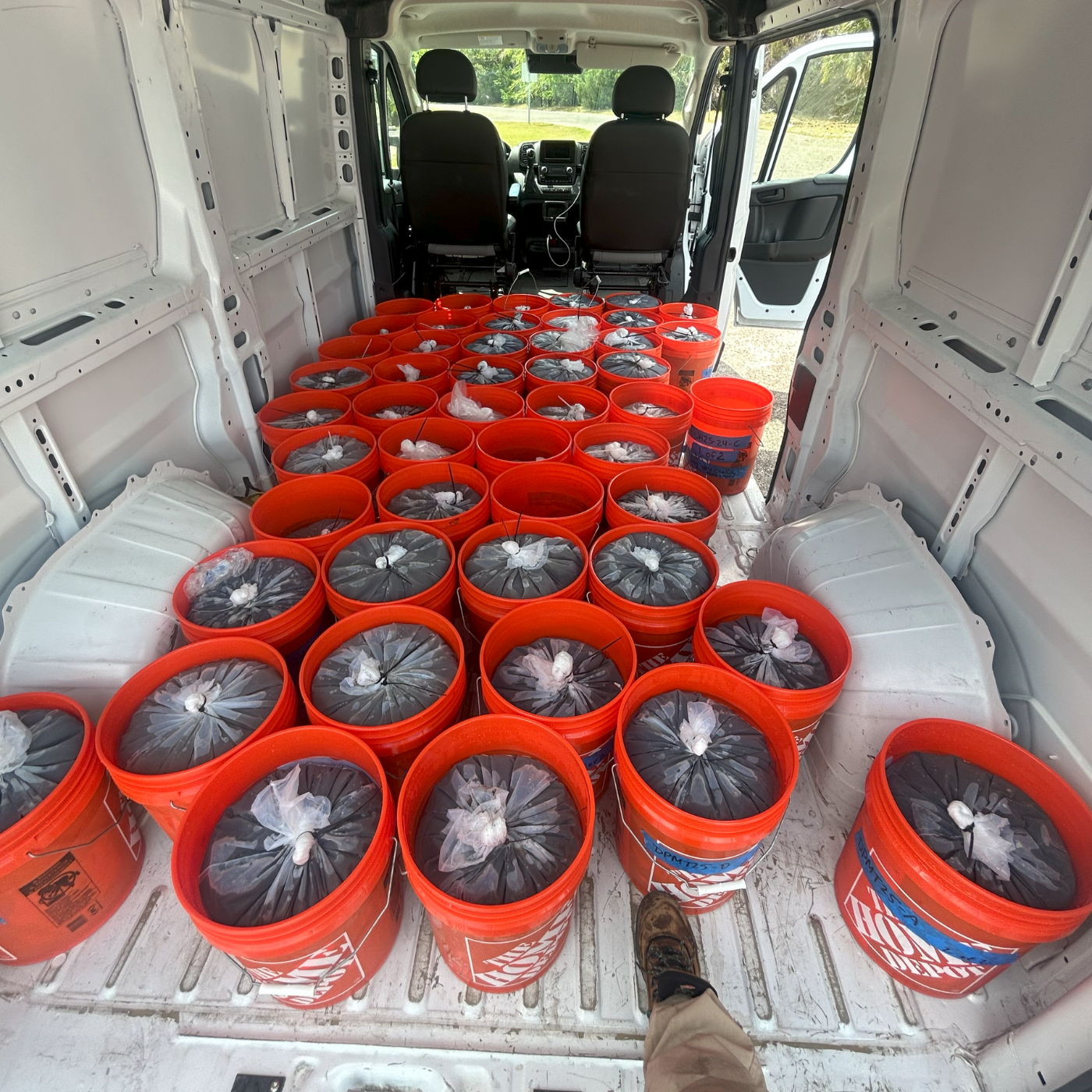
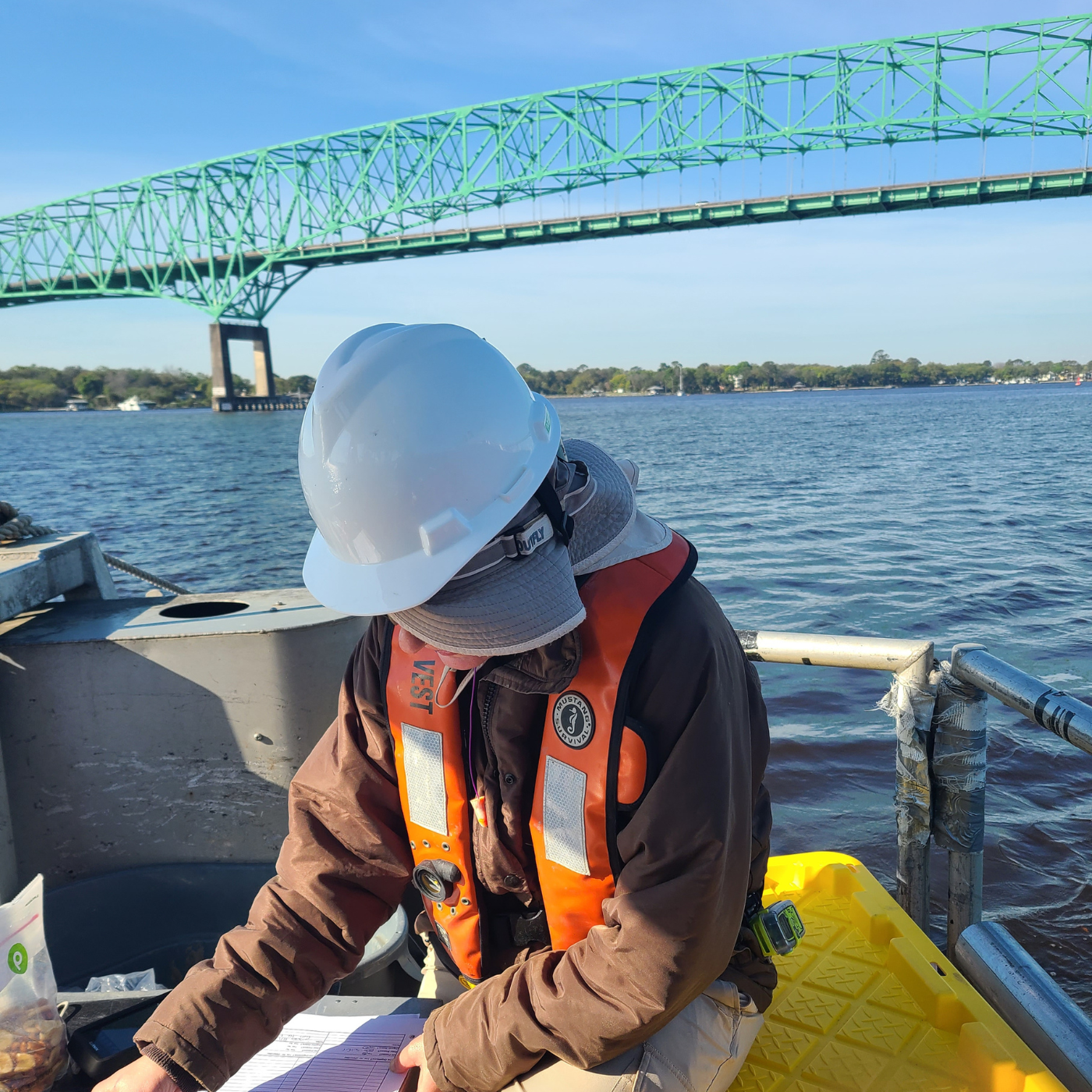
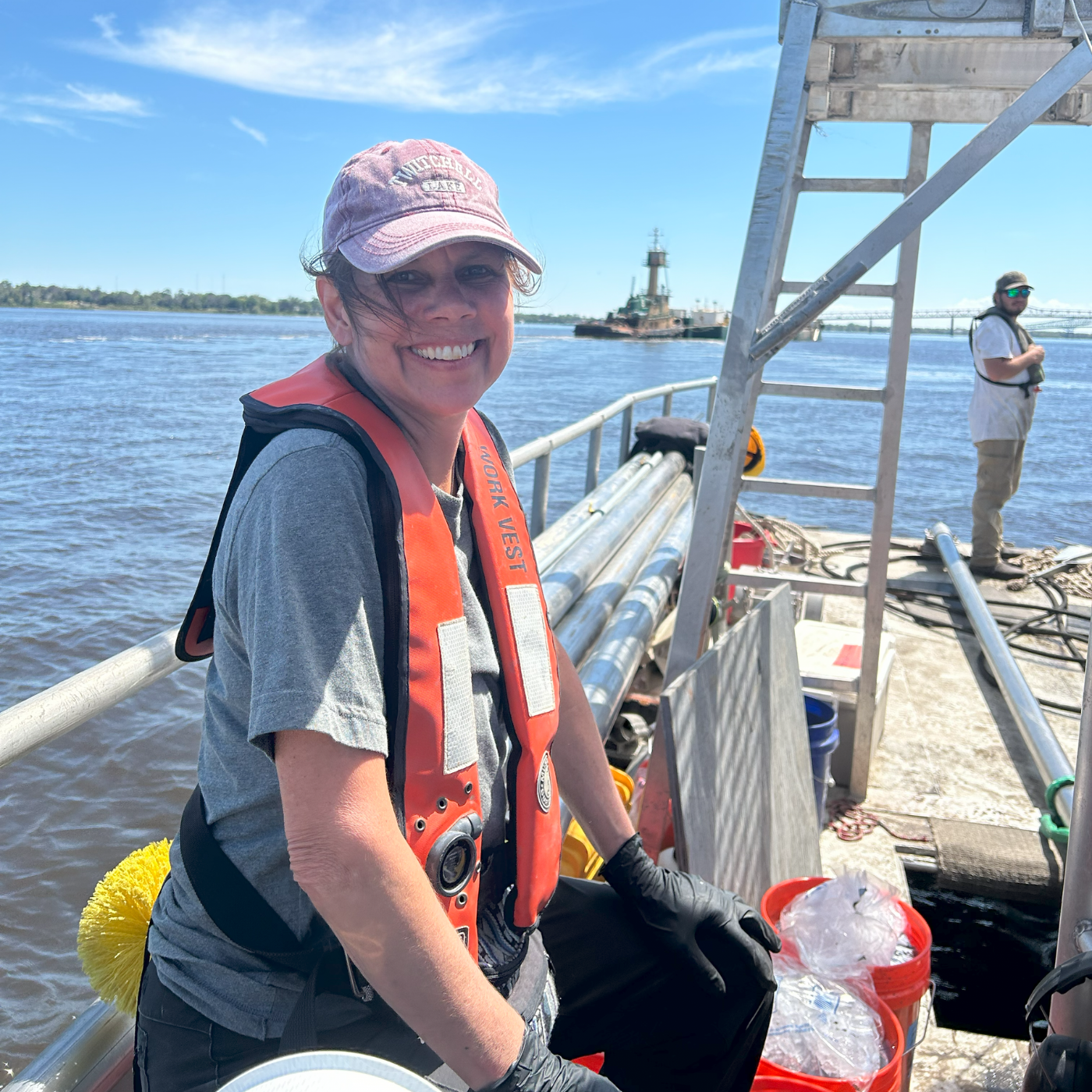
For this testing program, maintenance material was evaluated to determine the suitability for ocean disposal in the Jacksonville ODMDS. Results from this testing program are used to support a federal permit from USACE to allow for ocean disposal of dredged material from the JAXPORT marine terminal berths. EPA concurrence for both the federal project and for the JAXPORT marine terminal berths is required under Section 103 of the MPRSA and Section 10 of the Rivers and Harbor Act. This project included a large number of dredging units (DUs) to be sampled (22 DUs total). To keep the field schedule compressed, ANAMAR and Athena utilized two sampling vessels and two teams concurrently, one operating a vibracore and the other operating a grab sampler. Close coordination between the teams was required to ensure all samples were collected by the proper method. The sampling effort was completed in just six days, well ahead of schedule which allowed ample time for sample processing and shipping to the laboratories to comfortably meet holding times by the labs. Two mid trip sample transfers from the field to the ANAMAR office were made so the compositing
team could start sample processing and packaging. All samples were composited, processed, and shipped to the laboratories just three days after the conclusion of sampling activities.
ANAMAR’s efforts resulted in additional cost savings for the clients in the tissue chemistry phase. Based on the sediment chemistry results, ANAMAR made an initial recommendation that no dioxins should be analyzed in the tissues. EPA responded with a request that all samples be analyzed. ANAMAR authored an additional memo discussing the low toxicity equivalent factors of the dioxins detected at the highest concentrations, therefore causing a low overall toxicity quotient, and suggested that three DUs with the highest overall toxicity quotients be analyzed. EPA agreed to this testing plan. This resulted in significant savings to the project from reduced tissue analysis costs.
ANAMAR prepared and submitted both the sediment testing and sediment evaluation reports on schedule and received only minor comments from EPA to be addressed. EPA provided concurrence in January 2026 which was roughly 9 months after SAP/QAPP approval.